
Top 10 Tips to Improve Handwriting for Kids and Beginners

Handwriting is one of those skills we often assume children will “pick up naturally.” But if you’ve ever sat beside a child during homework time watching them struggle to form letters neatly, erase repeatedly, or complain about hand pain you know that’s not always true.
For many parents and teachers, the question isn’t whether handwriting matters, but how to improve handwriting for kids without turning practice time into a daily battle.
The good news? Handwriting is not a talent you’re born with. It’s a motor skill, and like any motor skill, it can be trained, refined, and improved at any age.
In this guide, I’ll walk you through 10 practical, research-backed tips that actually work for kids and beginners. These are not random tricks, but methods used by handwriting specialists, occupational therapists, and educators who understand how the brain, hand, and eyes work together.
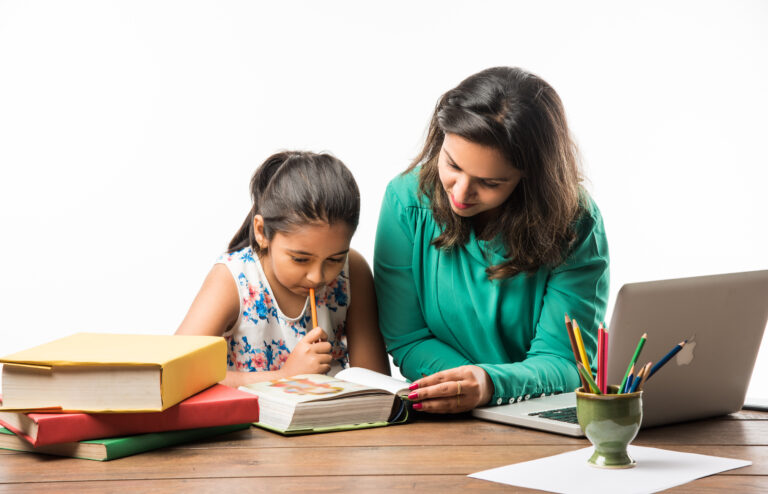
Why Handwriting Struggles Are More Common Than You Think
Before jumping into tips, let’s understand why many kids struggle with handwriting?
Poor handwriting is rarely about laziness. It’s usually linked to:
Weak fine motor skills
Poor pencil grip or posture
Lack of muscle memory
Inadequate hand–eye coordination
Rushing through writing tasks
According to the American Occupational Therapy Association, handwriting difficulties are often rooted in motor planning and muscle control rather than intelligence or effort.
Once you address these foundations, improvement becomes not only possible but predictable.
Key Phrase : Tips to Improve Handwriting for Kids
Follow these 10 tips to easiy improve your handwriting
Tip 1: Start with the Right Pencil Grip (It Matters More Than You Think)
One of the biggest handwriting mistakes begins right at the fingertips.
A poor pencil grip:
Limits finger movement
Causes early fatigue
Leads to shaky or uneven strokes
What works best for Kids:
A dynamic tripod grip (thumb, index, middle finger)
Relaxed fingers—not clenched
Pencil resting gently on the middle finger
For younger kids, short pencils or triangular pencils naturally encourage correct grip. Grip trainers can help too, but they should guide—not force—the fingers.
Personal insight:
In our experience working with kids (beginners), correcting grip alone often improves handwriting clarity by nearly 30–40% within weeks.